Tło branżowe: Od mokrych materiałów do ciągłej produkcji proszku
W branżach takich jak chemikalia, półprodukty farmaceutyczne, barwniki i agrochemikalia, wiele materiałów jest przetwarzanych w postaci tortu filtracyjnego, pasty lub zawiesiny o wysokiej lepkości. Materiały te charakteryzują się często wysoką wilgotnością, silną przyczepnością i tendencją do aglomeracji, co może stanowić wyzwanie dla konwencjonalnych systemów suszenia.
W miarę przechodzenia produkcji w kierunku pracy ciągłej i uzyskiwania spójnej jakości proszku, producenci coraz częściej przyjmują zintegrowane rozwiązania łączące suszenie, rozdrabnianie i klasyfikację. W tym kontekście systemy suszenia rozpyłowego obrotowego stały się praktyczną opcją do przetwarzania materiałów pastowatych.
Mechanizm procesu: Jak działa suszenie rozpyłowe obrotowe
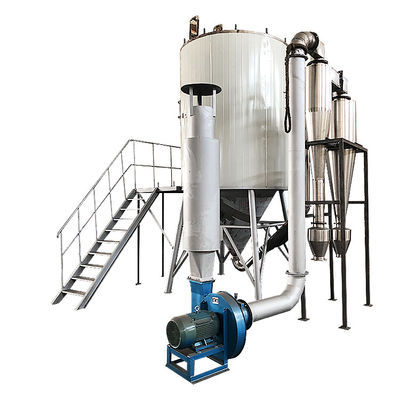
Suszarka rozpyłowa obrotowa działa poprzez wprowadzanie gorącego powietrza w połączeniu z mechanicznym mieszaniem i siłami ścinającymi. Mokry materiał jest szybko rozpraszany i rozdrabniany w komorze suszenia, co umożliwia efektywny kontakt z gorącym powietrzem w celu szybkiego transferu ciepła i masy.
Kluczowe cechy procesu obejmują:
- Integracja kruszenia, suszenia i klasyfikacji w jednym systemie
- Regulowany rozmiar cząstek dzięki wewnętrznym klasyfikatorom
- Krótki czas przebywania, zmniejszający ryzyko lokalnego przegrzania
- Ciągłe wyładowanie wspierane przez systemy separacji gazowo-stałej
Taka konstrukcja umożliwia efektywne przetwarzanie materiałów kleistych i o wysokiej wilgotności.
Scenariusze zastosowań w różnych branżach
Przetwórstwo chemiczne i chemii drobnej
Stosowane do pigmentów, barwników i żywic, pomagając zmniejszyć przywieranie do ścian i aglomerację.
Półprodukty farmaceutyczne
Wspiera zastosowania wymagające kontrolowanego rozkładu wielkości cząstek i zawartości wilgoci.
Produkcja agrochemikaliów
Nadaje się do ciągłego suszenia tortu filtracyjnego i materiałów pastowatych o wysokiej wilgotności.
Materiały polimerowe i gumowe
Stosowane do materiałów lepkich, poprawiając wydajność dalszego przetwarzania.
Wytyczne dotyczące wyboru: Dopasowanie sprzętu do potrzeb procesu
1. Charakterystyka materiału
Ocenić zawartość wilgoci, lepkość, wrażliwość termiczną i docelowy rozmiar cząstek.
2. Wydajność przetwarzania
Wydajność przepływu powietrza zazwyczaj mieści się w zakresie od 300 do 30000 m³/h, w zależności od modelu.
3. Kontrola rozmiaru cząstek
Wewnętrzne systemy klasyfikacji umożliwiają regulację końcowego rozkładu wielkości cząstek.
4. Konfiguracja źródła ciepła
Opcje obejmują systemy parowe, elektryczne lub gazowe, wybierane w zależności od wymagań procesu.
Perspektywy branżowe: W kierunku zintegrowanych rozwiązań suszenia
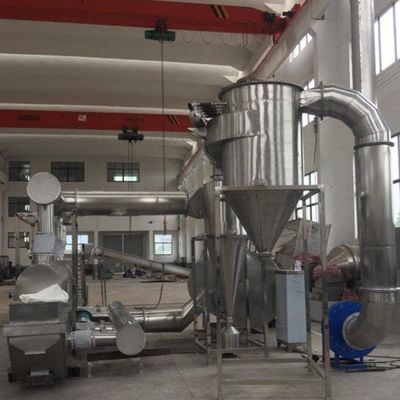
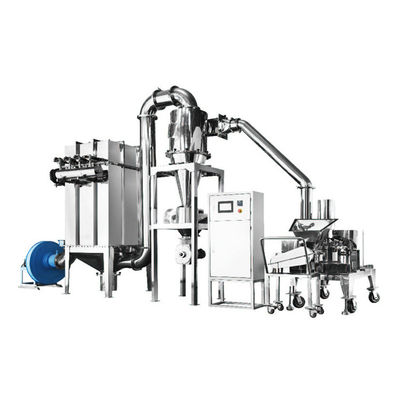
Systemy suszenia rozpyłowego obrotowego są coraz częściej integrowane z pełnymi liniami produkcyjnymi, w tym z systemami podawania materiału z góry i odbioru z dołu, a także z jednostkami odpylania i oczyszczania spalin.


 Twoja wiadomość musi mieć od 20 do 3000 znaków!