Główne wyzwania w suszeniu materiałów wrażliwych na ciepło
W produkcji farmaceutycznych pośredników wiele materiałów jest wrażliwych na temperaturę, takich jak granule API, produkty fermentacyjne i cienkie proszki.
Do najczęstszych problemów związanych z suszeniem należą:
· Degradacja lub utrata aktywności w wysokich temperaturach
· Nierównomierne rozmieszczenie wilgoci wpływające na przetwarzanie w dalszym ciągu
· Aglomeracja cząstek prowadząca do złej przepływalności
Konwencjonalne metody suszenia często mają trudności z równoważeniem wydajności suszenia z kontrolą temperatury.
Logika procesu suszenia płynnym
Suszarka fluidująca serii XF wykorzystuje górny przepływ gorącego powietrza do zawieszenia i fluidizowania materiałów, umożliwiając efektywny transfer ciepła i masy.
W zastosowaniach farmaceutycznych podejście to zapewnia:
· Jednolity transfer ciepła, zmniejszające ryzyko lokalnego przegrzania
· Spójne rozkładanie przepływu powietrza, minimalizując martwe strefy
· regulowane parametry robocze, zapewniając stabilną kontrolę procesu
System jest odpowiedni dla cząstek ≤ 6 mm (optymalnie 0,5 ∼ 3 mm), co pomaga utrzymać stabilne zachowanie płynności.
Jak kluczowe parametry wpływają na stabilność suszenia
1. Temperatura powietrza wjazdowego (120-140°C)
Temperatura powietrza wprowadzanego bezpośrednio wpływa na wydajność parowania.
Utrzymanie kontrolowanego zakresu pozwala:
· Skuteczne usuwanie wilgoci
· Zmniejszone ryzyko degradacji termicznej
2Temperatura materiału (40-60°C)
Rzeczywista temperatura materiału pozostaje znacznie niższa, co pomaga:
· Utrzymanie integralności produktu
· Wsparcie przetwarzania materiałów wrażliwych na ciepło
3Pojemność suszenia (10 500 kg/h)
Szeroki zakres mocy obsługuje:
· Elastyczne skalowanie produkcji
· Stabilna przepustowość od pilotażowej do skali przemysłowej
Parametry te odzwierciedlają możliwość sterowania i adaptacji systemów suszenia płynów w zastosowaniach przemysłowych.
Zastosowanie w środkach farmaceutycznych
Suchacze łóżkowe z płynem są powszechnie stosowane w:
· Suszenie granulów po mokrej granulacji
· Usuwanie wilgoci z produktów fermentacyjnych
· Wstępne suszenie międzyproduktów API
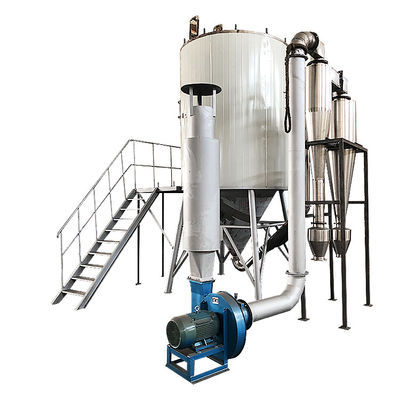
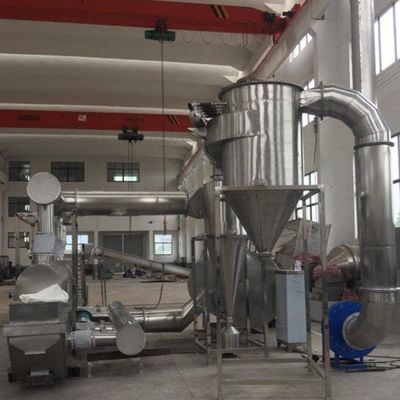
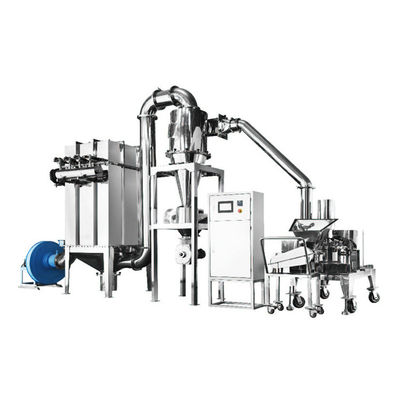
System obejmuje zazwyczaj filtrację powietrza, ogrzewanie, komorę suszącą, oddzielanie cyklonów i jednostki zbierania pyłu, zapewniając zgodność z wymaganiami przetwarzania farmaceutycznego.
Rozważania dotyczące wyboru
Podczas wyboru suszarki płynno-płynnej kluczowe czynniki obejmują:
· Przystosowanie wielkości cząstek do fluidyzacji
· Wrażliwość materiału na temperaturę
· Wymagana zdolność produkcyjna (kg/h)
· Wymogi dotyczące kontroli pyłu i czystości
Właściwe dostosowanie parametrów sprzętu do warunków procesu zapewnia stabilną wydajność suszenia i stałą jakość produktu.


 Twoja wiadomość musi mieć od 20 do 3000 znaków!